Showing 25 books

spiritual Books
Rigveda Bhashyam - Volume 22
ఋగ్వేద భాష్యమ్ - Volume 22Title: ఋగ్వేద భాష్యమ్ द्वाविंशो भागः (Rigveda Bhashyam - Volume 22)Introduction: This volume covers the 10th Mandal, 131st Sukta to the 191st Sukta and includes the Mantranukramanika (Mantra index).Summary: It concludes the Rigveda with prayers for universal peace, unity, and harmony (Samjnana Sukta). It describes the importance of mutual cooperation among all classes of people. It offers prayers to nature, forests, and the healing powers of the winds.Conclusion: The ultimate message of this final book is to walk together, speak together, and unite minds in noble purposes, ensuring the well-being and prosperity of the entire world.
spiritual Books
Rigveda Bhashyam - Volume 21
ఋగ్వేద భాష్యమ్ - Volume 21Title: ఋగ్వేద భాష్యమ్ एकविंशो भागः (Rigveda Bhashyam - Volume 21)Introduction: This volume covers the 10th Mandal, 87th Sukta to the 130th Sukta.Summary: It details the roles of various deities like Visvedevas, Agni, and Brihaspati. It emphasizes protecting the state from destructive forces through divine fire and justice (Rakshoghna Sukta).Conclusion: Recognizing God as the sole creator and sustainer, and battling the forces of darkness and ignorance, leads mortals to true knowledge and cosmic harmony.
spiritual Books
Rigveda Bhashyam - Volume 20
ఋగ్వేద భాష్యమ్ - Volume 20Title: ఋగ్వేద భాష్యమ్ विंशो भागः (Rigveda Bhashyam - Volume 20)Introduction: This volume covers the 10th Mandal, 40th Sukta (9th mantra) to the 86th Sukta.Summary: It discusses the duties of a King and the administration of the state. It describes the conversation between Pururavas and Urvashi. It outlines the marriage ceremony (Surya Vivaha) and the ideals of household life. It also praises the intellect when guided by the Supreme Self.Conclusion: A disciplined family life, a just administration, and continuous devotion to God's omnipresent power bring unity, love, and immense prosperity to society.
spiritual Books
Rigveda Bhashyam - Volume 19
ఋగ్వేద భాష్యమ్ - Volume 19Title: ఋగ్వేద భాష్యమ్ एकोनविंशो भागः (Rigveda Bhashyam - Volume 19)Introduction: This volume covers the 9th Mandal, 106th Sukta to the 10th Mandal, 40th Sukta (8th mantra).Summary: It explores the concepts of Yama and Yami (day and night, order and discipline). It describes the cosmic order and the role of the Supreme Architect. It contains references to funeral rites (Pitrumedha) and praises the Ashvins and the divine dawn (Ushas).Conclusion: Understanding the cycle of creation, living according to the divine laws, and offering sincere prayers guide mortals towards immortality and lasting peace.
spiritual Books
Rigveda Bhashyam - Volume 18
ఋగ్వేద భాష్యమ్ - Volume 18Title: ఋగ్వేద భాష్యమ్ अष्टादशो भागः (Rigveda Bhashyam - Volume 18)Introduction: This volume covers the 9th Mandal, 55th Sukta to the 105th Sukta.Summary: It continues the glorification of Pavamana Soma (the purifying divine elixir). It describes the cosmic sacrifice and the roles of the seers (Rishis) in channeling divine wisdom. It highlights the significance of following the path of Brahmacharya for prosperity.Conclusion: Constant meditation on God, living a pure life, and honoring enlightened seers result in the removal of all sins and the attainment of ultimate emancipation.
spiritual Books
Rigveda Bhashyam - Volume 17
ఋగ్వేద భాష్యమ్ - Volume 17Title: ఋగ్వేద భాష్యమ్ सप्तदशो भागः (Rigveda Bhashyam - Volume 17)Introduction: This volume covers the 8th Mandal, 70th Sukta to the 9th Mandal, 54th Sukta.Summary: It focuses significantly on the Divine Elixir (Soma/Pavamana), representing divine love, purification, and spiritual strength. It describes how God's knowledge dispels ignorance like the sun dispels darkness. It explains that aligning with God's laws brings bliss and cosmic harmony.Conclusion: Perfect happiness and wisdom are attained by continuous devotion to God, purifying one's intellect, and understanding the harmonious laws of nature.
spiritual Books
Rigveda Bhashyam - Volume 16
ఋగ్వేద భాష్యమ్ - Volume 16Title: ఋగ్వేద భాష్యమ్ षोडशो भागः (Rigveda Bhashyam - Volume 16)Introduction: This volume covers the 8th Mandal, 19th Sukta to the 69th Sukta.Summary: It emphasizes the role of the Maruts in protecting the people. It addresses Agni as the ultimate purifier and giver of strength. It details the power of Indra in overcoming dark forces and bestowing wealth, recommending the avoidance of evil.Conclusion: Dedicating all actions to God and following the teachings of wise preceptors ensures safety, prosperity, and the removal of all afflictions.
spiritual Books
Rigveda Bhashyam - Volume 15
ఋగ్వేద భాష్యమ్ - Volume 15Title: ఋగ్వేద భాష్యమ్ पञ्चदशो भागः (Rigveda Bhashyam - Volume 15)Introduction: This volume covers the 7th Mandal, 91st Sukta to the 8th Mandal, 18th Sukta.Summary: It praises Indra and Vayu for motivation and resplendence. It discusses the significance of the divine elixir (Soma) and its purifying effects. It extols the Adityas in removing diseases and granting long life.Conclusion: True devotion and the pursuit of pure knowledge lead to the destruction of ignorance, bestowing happiness, vitality, and protection from all distress.
spiritual Books
Rigveda Bhashyam - Volume 14
ఋగ్వేద భాష్యమ్ - Volume 14Title: ఋగ్వేద భాష్యమ్ (Rigveda Bhashyam - Volume 14)Introduction: This volume covers the 7th Mandal, 34th Sukta to the 90th Sukta.Summary: It discusses the cosmic elements (earth, water, fire, wind) and the importance of the Maruts. It details the qualities of noble women and their role in society. It focuses heavily on Surya (the Sun) and the Ashvins as bringers of light and prosperity.Conclusion: Recognizing the divine cosmic order and maintaining righteousness in personal and societal life brings unblemished joy and immortality.
spiritual Books
Rigveda Bhashyam - Volume 13
ఋగ్వేద భాష్యమ్ - Volume 13Title: ఋగ్వేద భాష్యమ్ त्रयोदशो भागः (Rigveda Bhashyam - Volume 13)Introduction: This volume covers the 6th Mandal, 62nd Sukta to the 7th Mandal, 34th Sukta (18th mantra).Summary: It outlines the duties of a President or Commander-in-Chief to protect the land securely, much like the swift winds and sun rays. It discusses the roles of Mitra and Varuna (forces of light and justice) and emphasizes the importance of the Ashvins.Conclusion: Adhering to truth, executing duties with a pure intellect, and remaining vigilant against destructive forces ensures the security and prosperity of the state.
spiritual Books
Rigveda Bhashyam - Volume 12
ఋగ్వేద భాష్యమ్ - Volume 12Title: ఋగ్వేద భాష్యమ్ द्वादशो भागः (Rigveda Bhashyam - Volume 12)Introduction: This volume covers the 6th Mandal, 18th Sukta (5th mantra) to the 61st Sukta.Summary: It praises Indra as the ultimate giver of wealth and bliss. It addresses the collaborative roles of kings, commanders, and subjects in defeating foes and expanding prosperity. It also speaks on the power of natural elements like the Sun and the Maruts.Conclusion: Unity and mutual support between a righteous king and his subjects guarantee victory, peace, and the establishment of a stable kingdom.
spiritual Books
Rigveda Bhashyam - Volume 11
ఋగ్వేద భాష్యమ్ - Volume 11Title: ఋగ్వేద భాష్యమ్ एकादशो भागः (Rigveda Bhashyam - Volume 11)Introduction: This volume covers the 5th Mandal, 53rd Sukta (9th mantra) to the 6th Mandal, 18th Sukta (4th mantra).Summary: It explores the dynamic characteristics of the Maruts (winds) and the cosmic laws governing Mitra and Varuna. It discusses the relationship between the immortal soul and the Supreme Being residing within the body.Conclusion: Recognizing God as the First Cause and following the guidance of wise, impartial leaders ensures a life filled with strength, bliss, and harmony.
spiritual Books
Rigveda Bhashyam - Volume 10
ఋగ్వేద భాష్యమ్ - Volume 10Title: ఋగ్వేద భాష్యమ్ दशमो भागः (Rigveda Bhashyam - Volume 10)Introduction: This volume covers the 5th Mandal, 2nd Sukta (5th mantra) to the 53rd Sukta (8th mantra).Summary: It highlights a King's duty as a liberal donor and protector, and mentions the Maruts as men of noble deeds. It stresses the triad of knowledge, action, and communion, and details the virtues of scholars and righteous conduct.Conclusion: By acquiring spiritual knowledge, honoring the learned, and maintaining strong defenses, the state achieves wealth, invincibility, and spiritual emancipation.
spiritual Books
Rigveda Bhashyam - Volume 9
ఋగ్వేద భాష్యమ్ - Volume 9Title: ఋగ్వేద భాష్యమ్ नवमो भागः (Rigveda Bhashyam - Volume 9)Introduction: This volume covers the 4th Mandal, 16th Sukta (4th mantra) to the 5th Mandal, 2nd Sukta (4th mantra).Summary: It portrays the commander or king as a heroic figure who crushes wickedness, much like the sun destroys darkness and clears the clouds. It emphasizes the fair distribution of wealth and straightforward administrative policies.Conclusion: A righteous king who eradicates deceit and promotes his subjects' welfare ensures a powerful, prosperous, and peaceful nation.
spiritual Books
Rigveda Bhashyam - Volume 8
ఋగ్వేద భాష్యమ్ - Volume 8Title: ఋగ్వేద భాష్యమ్ अष्टमो भागः (Rigveda Bhashyam - Volume 8)Introduction: This volume covers the 3rd Mandal, 36th Sukta to the 4th Mandal, 16th Sukta.Summary: It praises Indra (as God or a righteous King) for destroying enemies (likened to clouds) and showering prosperity on the people. It discusses the cosmic functions of the sun and the necessity of unity and right action.Conclusion: Adherence to the truth, performing noble unifying acts, and seeking the Almighty’s guidance guarantees protection, abundance, and unity.
spiritual Books
Rigveda Bhashyam - Volume 7
ఋగ్వేద భాష్యమ్ - Volume 7Title: ఋగ్వేద భాష్యమ్ सप्तमो भागः (Rigveda Bhashyam - Volume 7)Introduction: This volume covers the 2nd Mandal, 35th Sukta (10th mantra) to the 3rd Mandal, 35th Sukta.Summary: This book focuses on the qualities of kings, ministers, and scholars, urging them to dispense justice fairly, much like the sun maintains cosmic order. It highlights the Adityas' role in guiding humanity away from sins.Conclusion: Steadfastness in truth and benevolent actions by both leaders and subjects result in overcoming adversaries and achieving lasting happiness.
spiritual Books
Rigveda Bhashyam - Volume 6
ఋగ్వేద భాష్యమ్ - Volume 6Title: ఋగ్వేద భాష్యమ్ षष्ठो भागः (Rigveda Bhashyam - Volume 6)Introduction: This volume covers the 1st Mandal, 186th Sukta to the 2nd Mandal, 35th Sukta (9th mantra).Summary: It describes the virtues of learned people, comparing their purifying nature to Agni. It discusses universal laws (Rta), the roles of Mitra and Varuna (vital breaths), and the responsibilities of a King to maintain an unblemished and just administration.Conclusion: Rulers and citizens who align themselves with divine laws and seek wisdom from scholars will secure victory, peace, and material wealth.
spiritual Books
Rigveda Bhashyam - Volume 5
ఋగ్వేద భాష్యమ్ - Volume 5Title: ఋగ్వేద భాష్యమ్ पञ्चमो भागः (Rigveda Bhashyam - Volume 5)Introduction: This volume covers the 1st Mandal, from the 140th Sukta (8th mantra) to the 185th Sukta.Summary: The book details the roles of educators and students, comparing them to the sun radiating knowledge. It extols the Earth and Heaven, praying for their protective blessings and the successful execution of non-violent sacrifices (Yajnas). It highlights the importance of leading a disciplined life.Conclusion: Living righteously, pursuing learning, and acknowledging the harmony of nature brings invincibility, abundance, and true joy.
spiritual Books
Rigveda Bhashyam - Volume 4
ఋగ్వేద భాష్యమ్ - Volume 4Title: ఋగ్వేద భాష్యమ్ चतुर्थो भागः (Rigveda Bhashyam - Volume 4)Introduction: This volume covers the 1st Mandal, from the 106th Sukta (6th mantra) to the 140th Sukta (7th mantra).Summary: It elaborates on the qualities of Agni and Indra, equating them with the dispelling of miseries and the establishment of truth. The volume urges mutual cooperation among citizens, rulers, and artisans (Ribhus) for the state's overall prosperity.Conclusion: A society that respects learned individuals and relies on the cosmic order will experience boundless prosperity, protection from misery, and spiritual enlightenment.
spiritual Books
Rigveda Bhashyam - Volume 3
ఋగ్వేద భాష్యమ్ - Volume 3Title: ఋగ్వేద భాష్యమ్ तृतीयो भागः (Rigveda Bhashyam - Volume 3)Introduction: This volume covers the 1st Mandal, from the 65th Sukta to the 106th Sukta (5th mantra).Summary: The text details the attributes of the Omnipresent God and the significance of the Ashvins as guides. It emphasizes that scholars should act like the sun, dispelling darkness and sharing knowledge. It praises leaders who protect their subjects and destroy wickedness.Conclusion: Seeking refuge in the Almighty and adhering to the guidance of enlightened scholars leads to victory, peace, and the fulfillment of all worldly and spiritual desires.
spiritual Books
Rigveda Bhashyam - Volume 2
ఋగ్వేద భాష్యమ్ - Volume 2Title: ఋగ్వేద భాష్యమ్ व्दितीयो भागः (Rigveda Bhashyam - Volume 2)Introduction: This is the second volume containing the commentary of Maharshi Swamy Dayananda Saraswathi. It covers the 1st Mandal, from the 32nd Sukta to the 64th Sukta.Summary: This book focuses extensively on the duties of a King or the President of the Assembly, stating that he should be full of vigor and splendor like the Sun and must destroy unrighteous enemies with powerful weapons. It discusses the properties of God as the Omnipresent and Omniscient creator. It also outlines the responsibilities of learned individuals to act like the Sun in dispelling the darkness of ignorance.Conclusion: It concludes that rulers and scholars must work together to eradicate evil, protect the righteous, and spread the light of truth, thereby establishing a vast and prosperous government.
spiritual Books
Rigveda Bhashyam - Volume 1
ఋగ్వేద భాష్యమ్ - Volume 1Title: ఋగ్వేద భాష్యమ్ ప్రథమో భాగః (Rigveda Bhashyam - Volume 1)Introduction: This volume features the commentary of Maharshi Swamy Dayananda Saraswathi, translated by Sri Vedananda Saraswati Swamy and Dr. Marri Krishna Reddy. It covers the 1st Mandal, from the 1st Sukta to the 31st Sukta.Summary: The book introduces the Vedas as the ultimate source of knowledge and the supreme guide for humanity. It emphasizes glorifying the self-effulgent God as the supreme leader, the eternal support of the universe, and the illuminator of all noble activities. It also explains the properties of natural elements like fire and water, and directs heroes to engage in righteous battles against foes with the help of scientific knowledge. Furthermore, it stresses that God's speech, contained in the four Vedas, is absolutely true and full of wisdom.Conclusion: The volume concludes that acquiring knowledge, engaging in righteous acts, and dedicating oneself to the Omniscient God leads to continuous joy, vitality, and ultimately, emancipation

spiritual Books
The Mahabhartham
This is a comprehensive English translation or retelling of the epic. It features a detailed table of contents that breaks the story down into its traditional Parvas (books), starting from the Adi Parva (The Beginning) and continuing through key sections like the Sabha Parva (The Assembly Hall), Aranyaka Parva (The Forest), and the Bhagavad Gita Parva. Key Contents: It includes a map of Bharatavarsha (ancient India), a family tree, and covers major events such as Draupadi’s Svayamvara, the game of dice, and the Kurukshetra war, concluding with the Svargarohana Parva (Ascent to Heaven). It also appears to include the Harivamsha, a supplement to the main epic.

spiritual Books
BHAGAVAD GETA
Discover the timeless wisdom of the Bhagavad Gita, one of the most revered spiritual texts in history. Set on the battlefield of Kurukshetra, this sacred dialogue between Prince Arjuna and Lord Krishna addresses the profound struggles of life, duty, and the human condition. Key Themes: Dharma (Duty): Understanding one's righteous path and responsibilities. Karma Yoga (Selfless Action): The art of acting without attachment to results. Bhakti Yoga (Devotion): The path of love and surrender to the Divine. Jnana Yoga (Knowledge): Realizing the distinction between the eternal soul (Atman) and the temporary body. Why Read This Book? Whether you are seeking spiritual growth, inner peace, or practical guidance for daily life, the Bhagavad Gita offers universal insights that transcend time and culture. It is an essential guide for anyone navigating moral dilemmas or seeking a deeper purpose in life. Ideal For: Spiritual seekers, students of philosophy, yoga practitioners, and anyone looking for inspiration and clarity.
spiritual Books
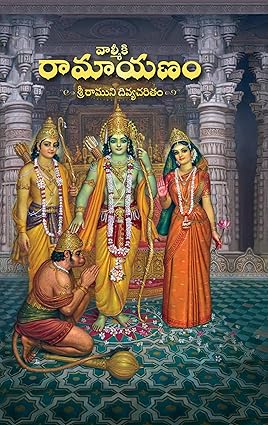
Ramayanam
Immerse yourself in the timeless epic of Lord Rama with this detailed Telugu narration of the Valmiki Ramayana. Organized into sequential readings (e.g., Day 1 to Day 39), this book covers every major phase of the saga, including the Balakanda, Ayodhyakanda, Aranyakanda, Kishkindhakanda, Sundarakanda, and Yuddhakanda. Readers will journey through Rama’s education, his marriage to Sita, the fourteen-year exile, the abduction of Sita by Ravana, and the epic battle that leads to the triumph of Dharma and Rama's Pattabhishekam. It is an excellent resource for daily spiritual reading and for those wishing to understand the depth of the Ramayana in Telugu.